Français

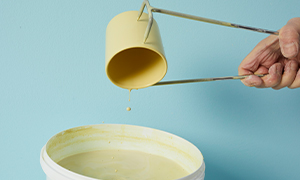
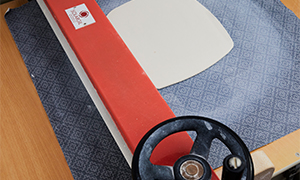
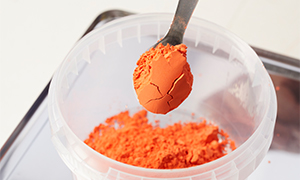
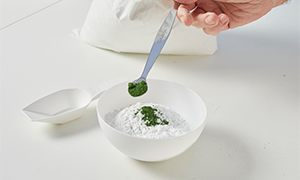
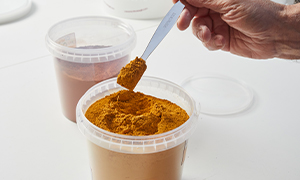

Transparent glaze brilliant 010485
Glazes for stoneware and porcelains
Temperature of firing : 1250-1300°C
Groupe I
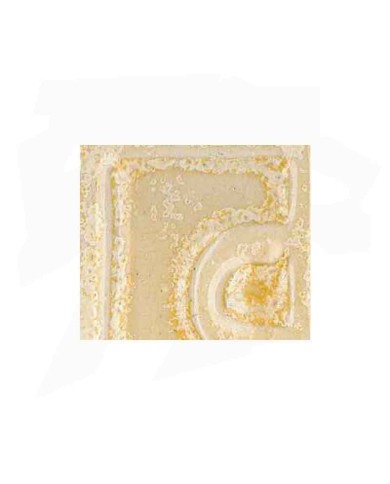
Crystallized yellow 010275/2
Glazes for stonewares and porcelains.
GROUPE I
Firing temperature: 1250-1320°C
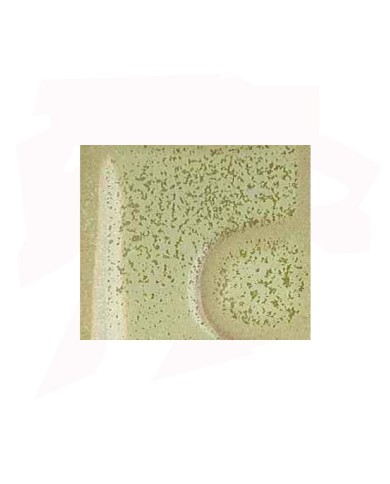
Chattered green lime 010257 TILLEUL JASPER
Glazes for stonewares and porcelains.
Temperature of firing : 1250-1320°C
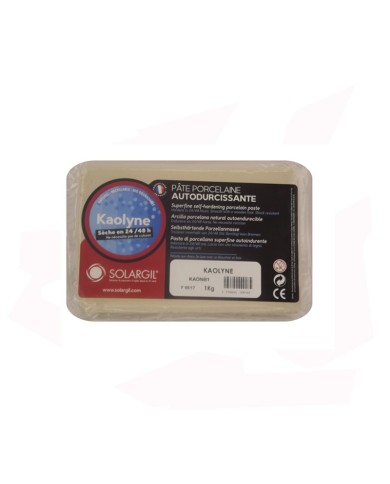
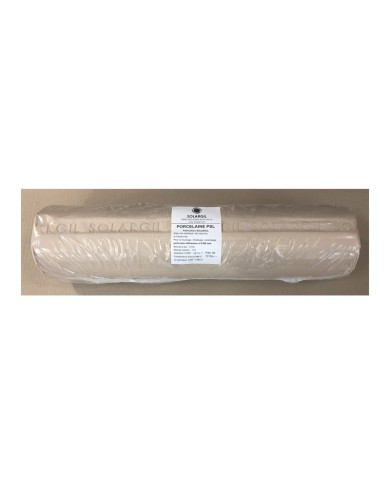
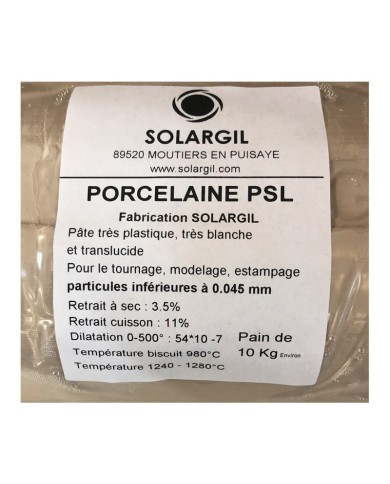
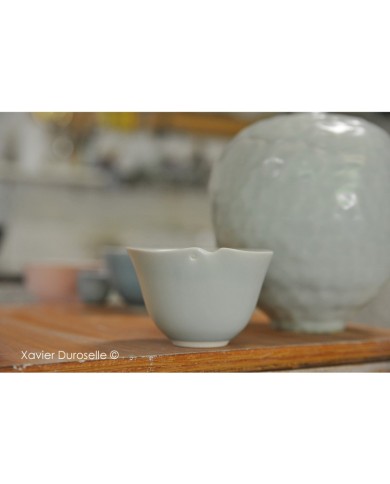
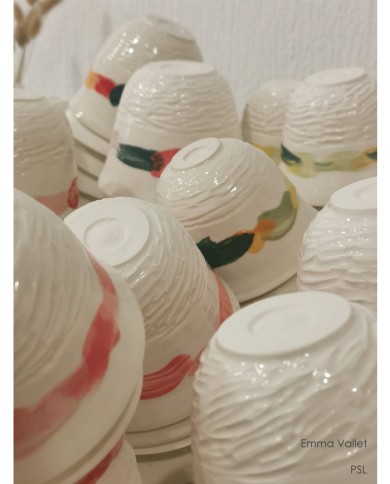
PSL porcelain very white and very fine - PSL
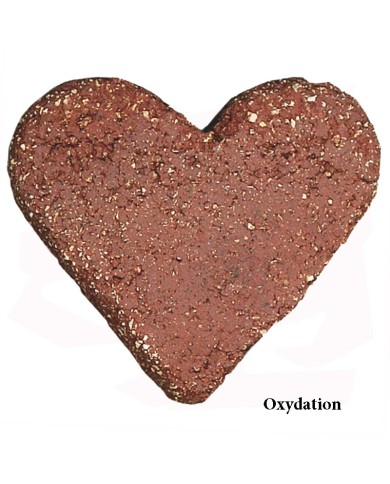
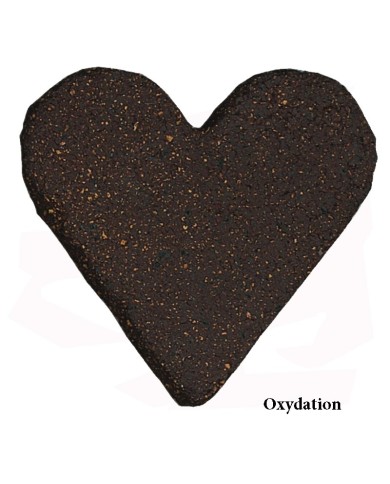
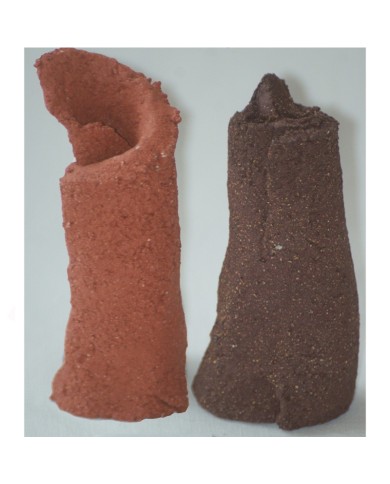
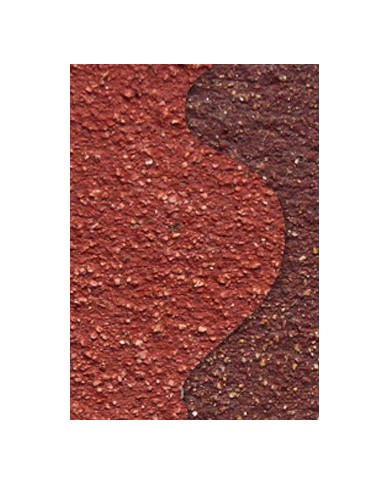
Red stoneware Brasil grog 40% 0-0,2 mm - BRASIL002
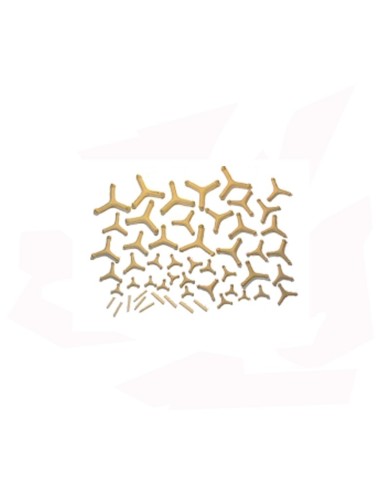
REFRACTORY SUPPORT CORDIERITE Diam.88 mm 1260°C
Tripod refractory cordierite round tripod T° 1260°C D 88 mm
Diameter: 88mm - Height: 87mm
Ref : SUP80
Refractory stilts (support) T° 1260°C D 88 mm
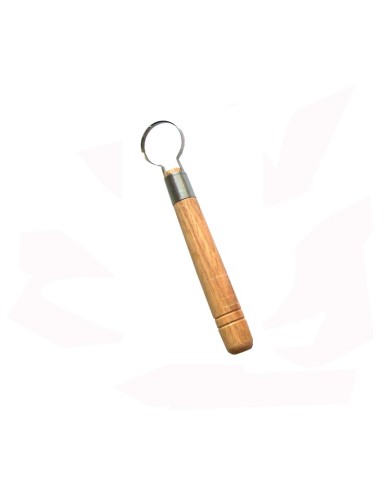
LARGE MIRETTES SHORT LENGTH CUTTING WIRE H. 20 CM N ° 31
Coiled ribbon tools N°1 H 20 cm -
Ref : SC8
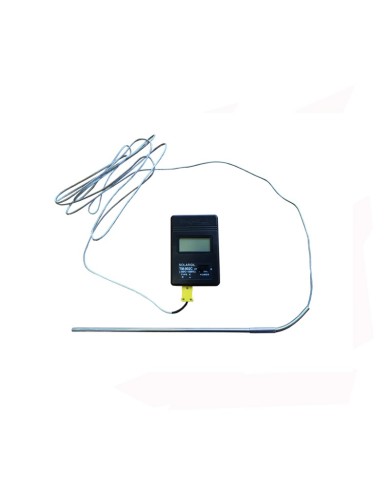
Complet kit Including, the probe type thermometer + K (1200 ° C) 250mm long + 3m compensating cable.
This kit comes fully assembled. Without batteries
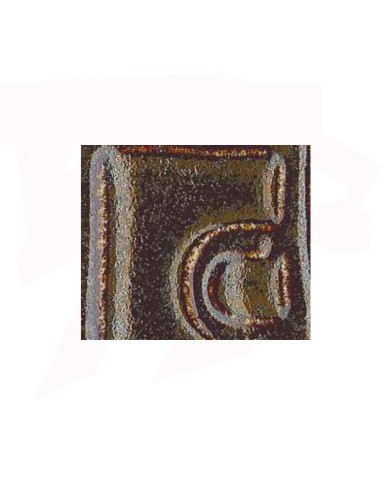
Brown humus jaspé GEESP000/18
GROUPE I
Firing temperature 980-1280°C
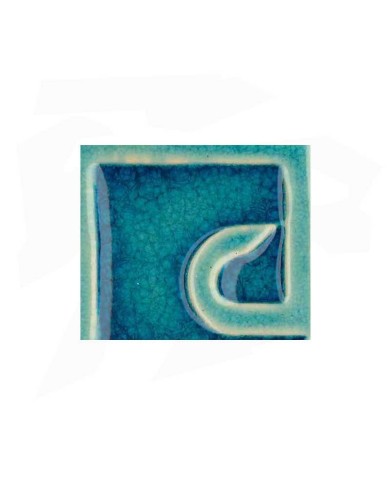
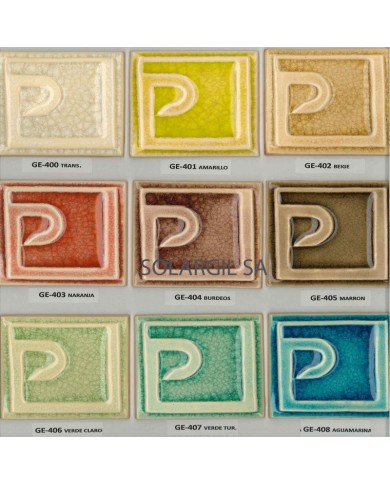
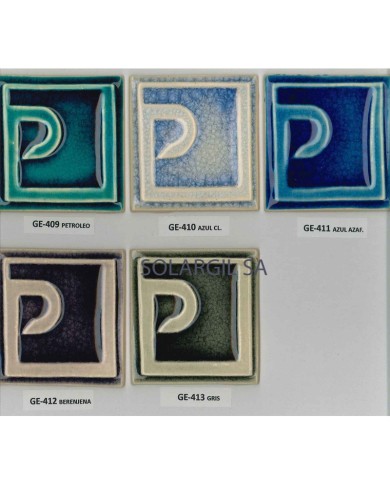
AQUAMARINE BLUE TRANSPARENT GLAZE BIG THICKNESS UNLEADED : GE408
Blue aquamarine
Ref : GE408
Transparent glaze "big thickness" without lead.
For earthenware paste: Glazes from this range can be used as classical crackled glazes, so in a fine undercoat and for a firing at around 980°C.
For stoneware and porcelain paste already fired at high temperature: in order to create an effect of melted glass. Préparation of the glaze in high density and application in thick undercoat. If necessary, use the médium Sérograf instead of water. Firing at 980°C
Another possibilities: application on a bisqueware piece in hollow area or with edge of stoneware or porcelain paste.Firing at 1280 °C
Advice :
Firing temperature 950°C - 1280°C
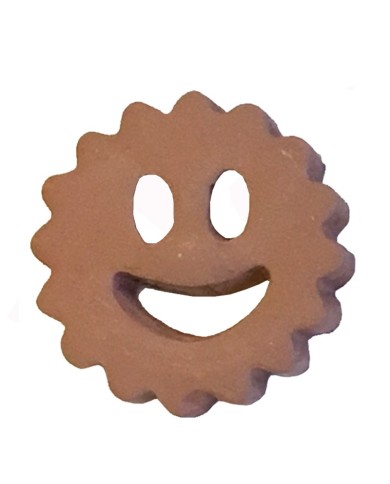
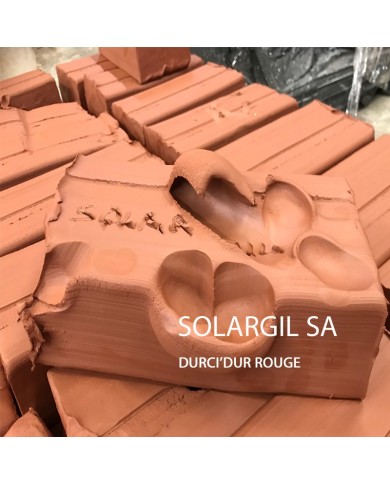
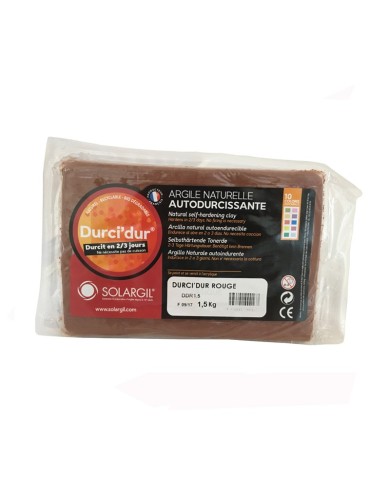
DURCI'DUR® Red Classic Range - DDR1.5
Natural clay with hardener, for modeling that hardens to air without the need of firing.
Dries in 24-48h depending on the thickness to give realizations resistant to shocks.
European Standard Toys EN-71/3.
Don’t stain the hands.
Does not fire, does not enamel.
Available in several colours.

COLOUR LEAD FREE CD11 BLACK
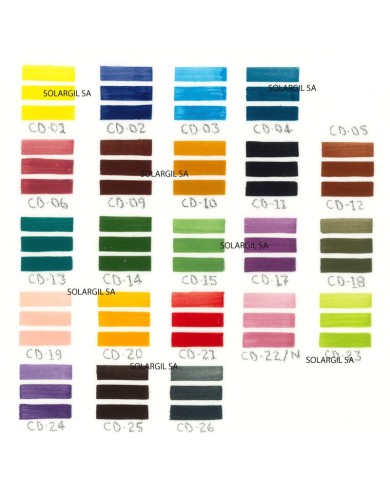
Black- CD11
Without lead
Firing temperature: 980-1280°C
Formula: Co-Fe-Cr-Mn
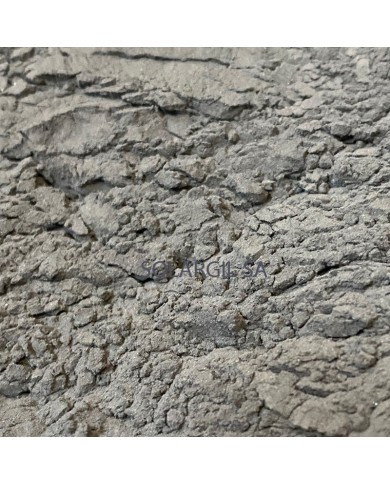
CARBORUNDUM 500 MICRONISE
CARBORA
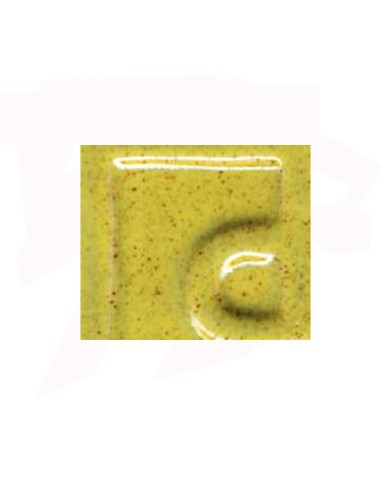
Yellow mustarde 010587 glaze
GROUPE I
Firing temperature: 1250-1300°C
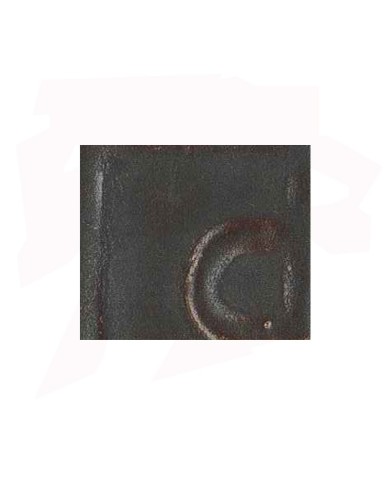
GLAZE FOR STONEWARE 010111 BRIGHT BROWN



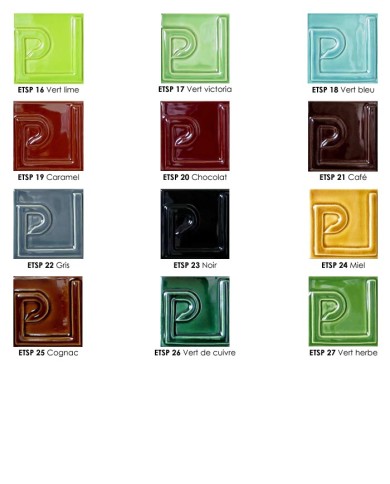
LIQUID GLAZE ETSP01L TRANSPARENT BRIGHT WITHOUTLEAD 250GR
Transparent liquid glaze - ETSP01L
250GR
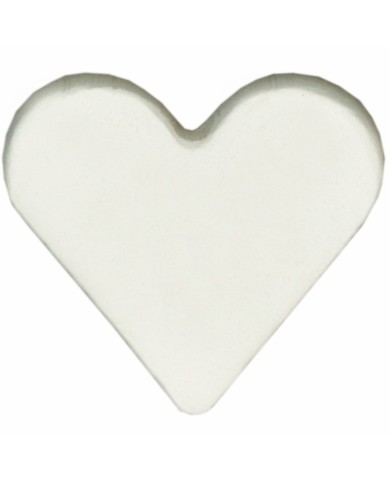
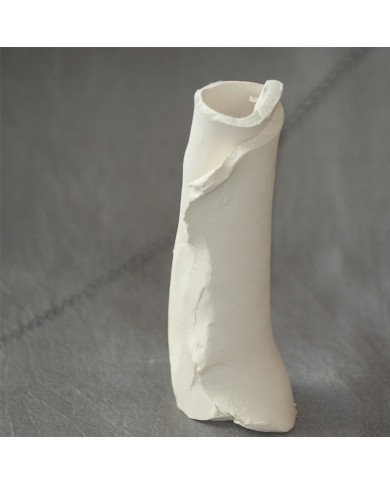
Special white clay Raku grog 40% 0-0.5 mm - RAKUMITSU005
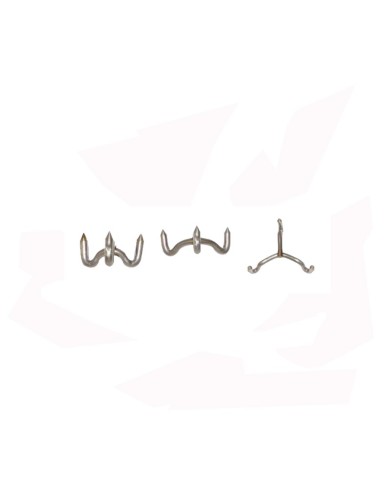
ROUND METAL REFRACTORY SUPPORT Diam. 50 mm 1260°C
Refractory round metal tripod T° 1260°C D 50 mm
Height 16mm - Diameter: 50mm
Ref : SUP50MR
Refractory metal stilts T° 1260°C D 50 mm
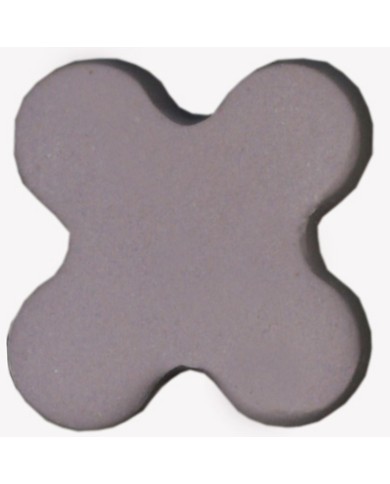

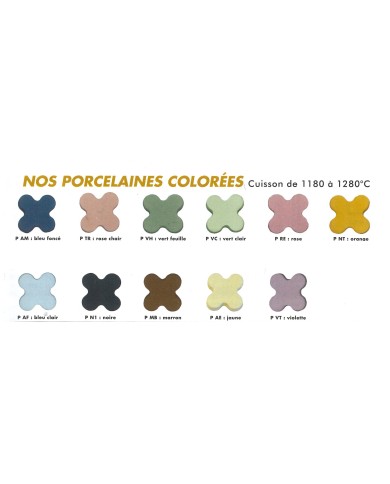
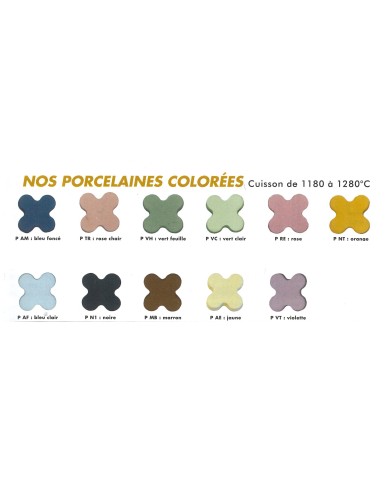
Purple coloured porcelain - PVT2
Smooth porcelain.
For throwing, modeling and jewelry.
12 colour.
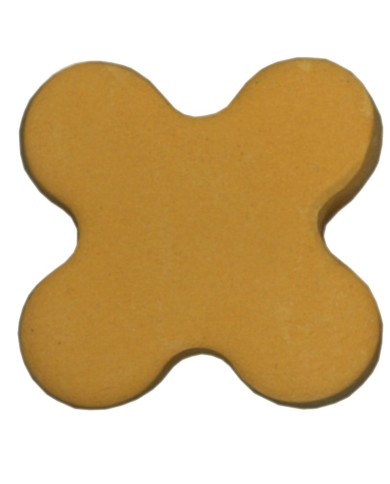

Orange coloured porcelain - PNT2
Smooth porcelain.
For throwing, modeling and jewelry.
12 colour.
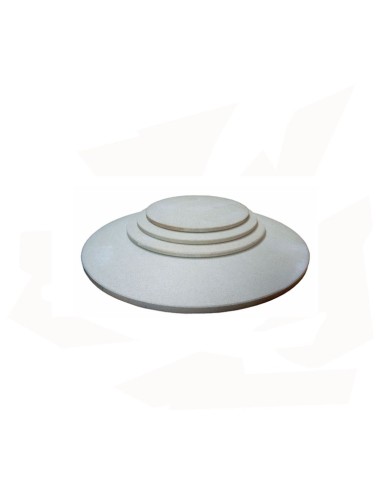
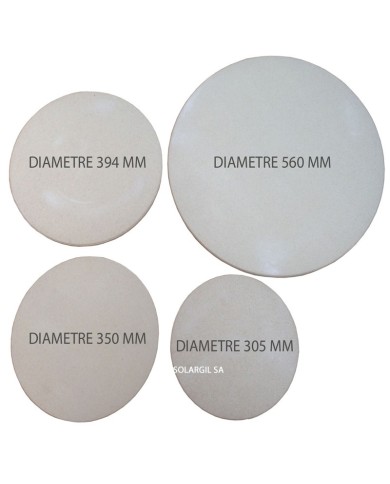
Kiln refractory round plates 1340 ° C max Ø 350 x 12 mm (3kg)
Fragile material, can not be sent by post.
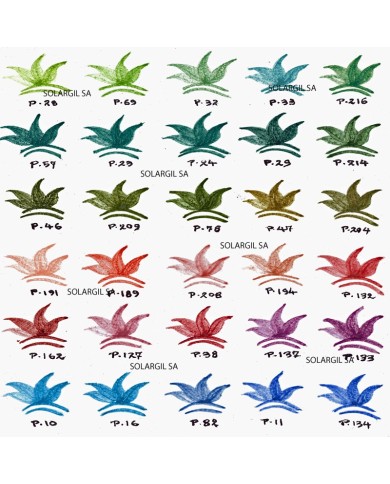
CERAMIC PIGMENT P33 GREEN CELADON
celadon green P33
P set colouring oxides lik Pur. Range of colouring oxides to color glazes: 1to 5% in a transparent glaze ans 1 to 10% in a white glaze.
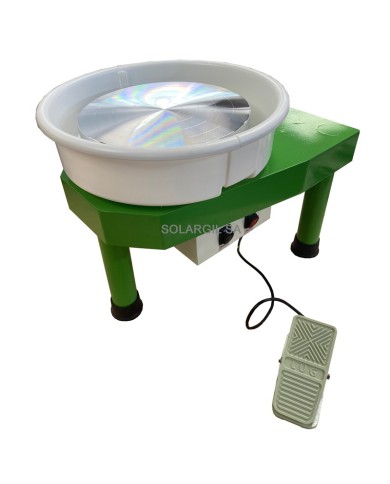
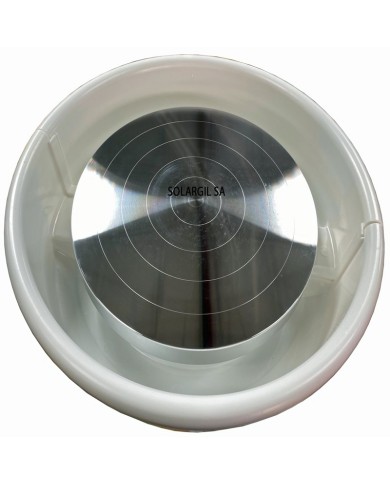
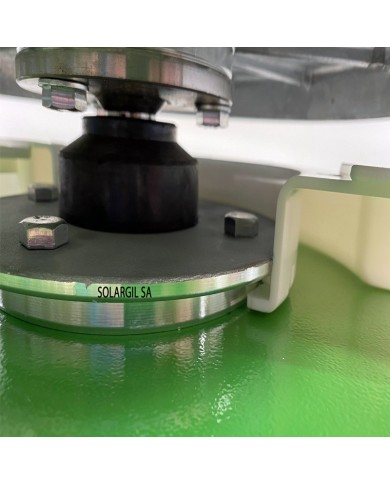
Electronic Potter's wheel "LITTLE FROG" model TY16
Potter's wheel for pottery initiation.
Power 380 W in 220 Volt monophase (usual plug)
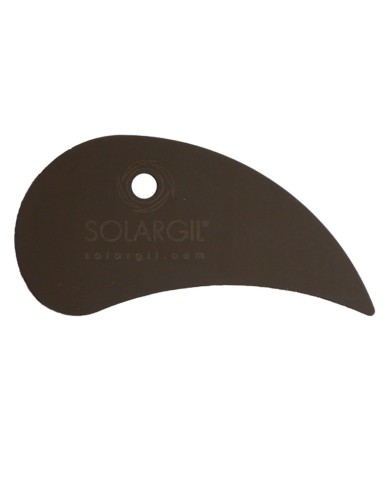
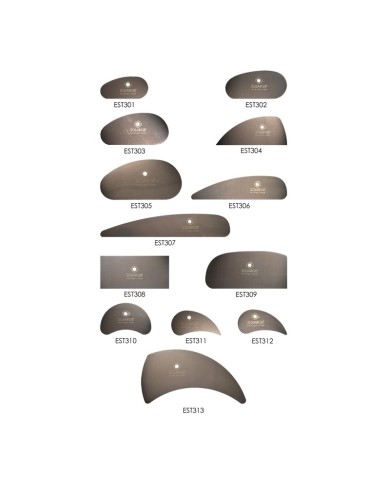
Hard stainless steel palette drop of water 69 x 36 mm - EST311R
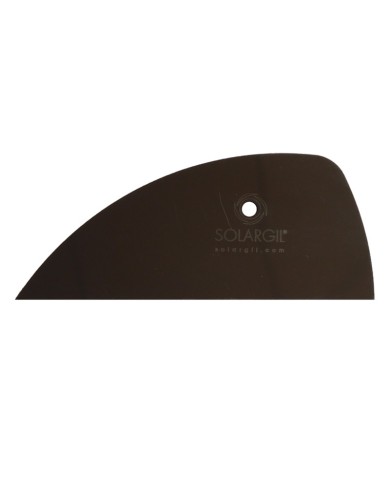
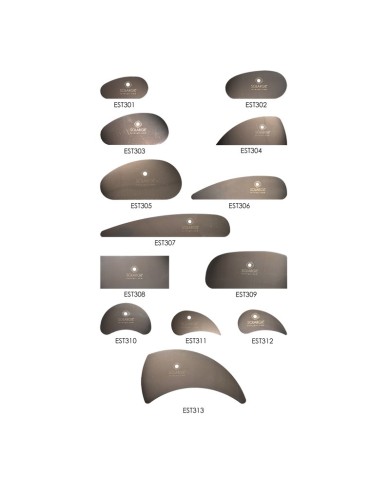
Hard stainless steel palette half-moon 120 x 50 mm - EST305R
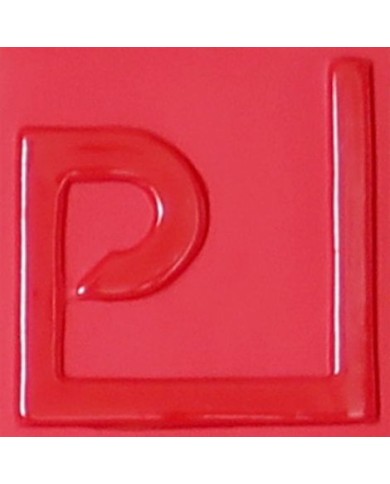
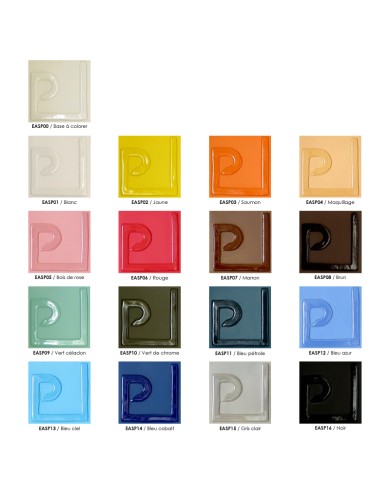
LIQUID ENGOBE FOR STONEWARE AND PORCELAIN EASP06L RED 250GR
Collection suitable for single-firing and dual-firing with maximum color development at 1280°C.
These engobes are available in liquid or powder.
At earthenware temperature, the colors will be more pastel than presented.
Tips /
Firing range 980 - 1280°C
Brush application, soaking or spraying.
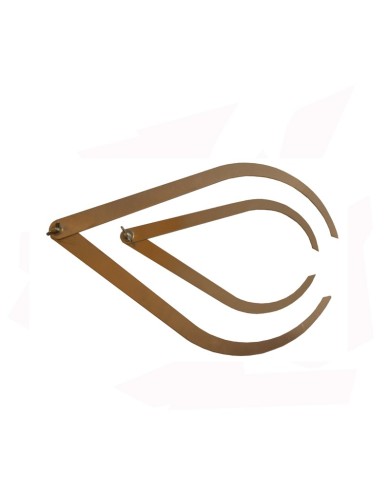
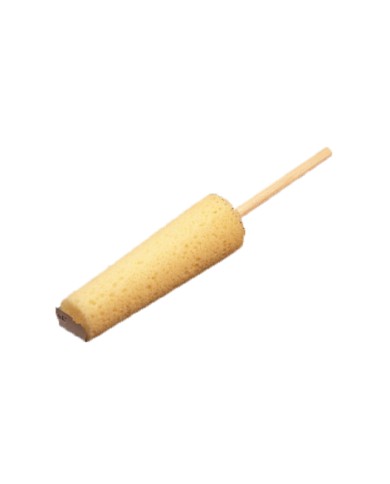
Conical sponge on wooden handle - 035HM001
smaller diameter 20 mm
L. 89 mm
Fine natural sponge appearance.

Glaze Bright transparent 0302
Temperature of firing : 1200-1270°C
Groupe I
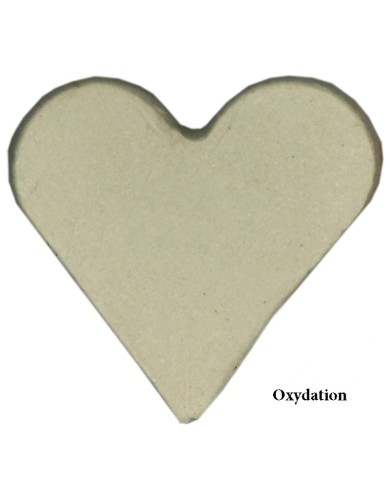
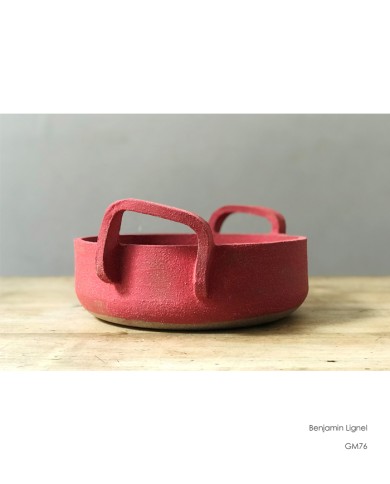
Beige fire refractory stoneware for culinary use grog 30% 0-1 - GM76
Clay intented to withstand thermal shocks including direct flame (if fired at 1250°C minimum).
Adaptable to all production techniques.
Colour white-beige in oxidation and grey in reduction.